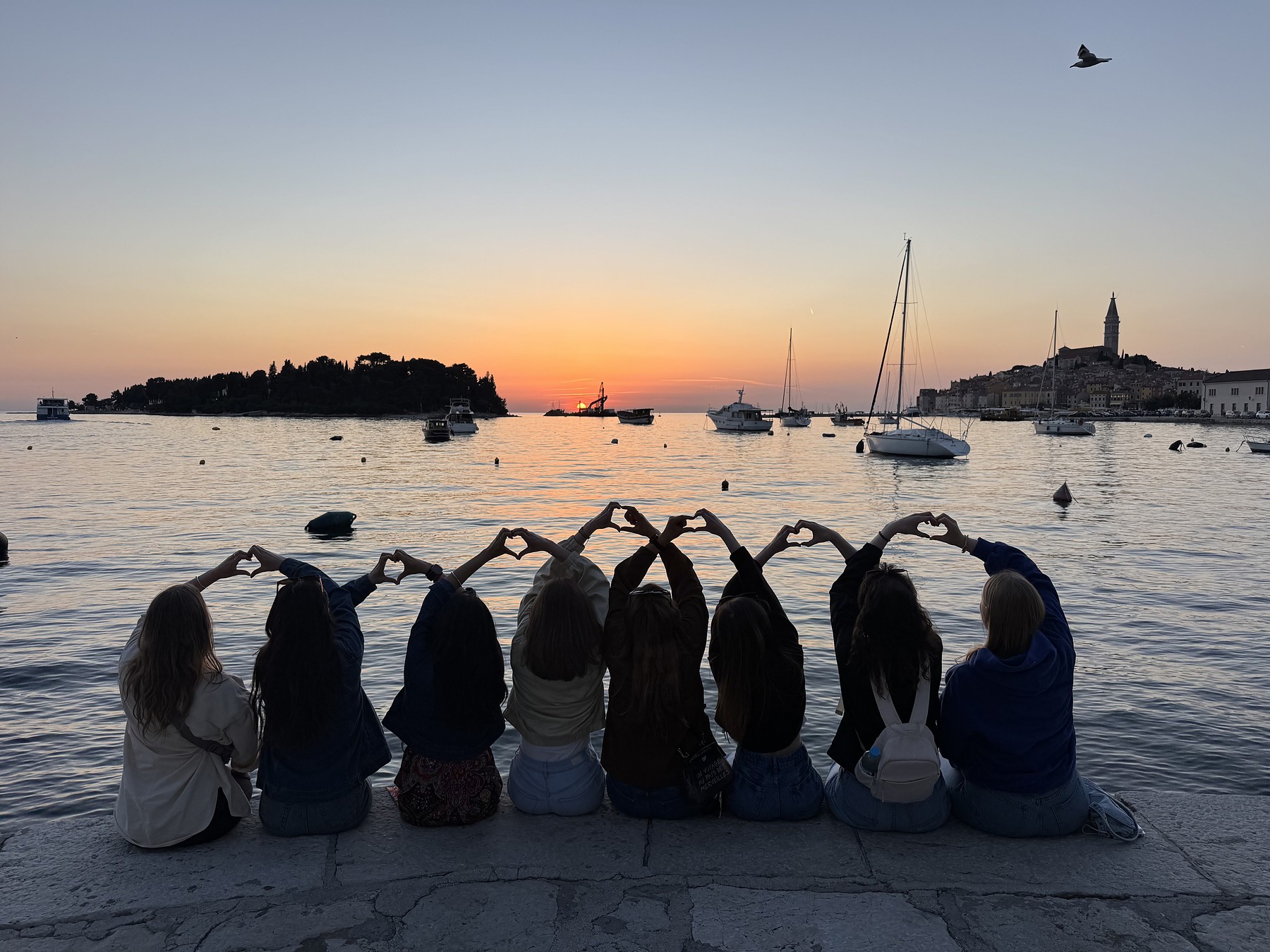
To choose a women-only group trip, compare the daily itinerary, group size, host, room arrangements, full cost and booking conditions. The right trip should match your interests, energy and need for both company and time to yourself.
A women-only group trip brings women together around an organised itinerary. You can join without bringing a travel companion, while sharing activities and some of the practical arrangements with the group.
Company at dinner, a quiet morning, a comfortable bed: the right balance looks different for every woman. Clear answers about those everyday details make it easier to decide whether a trip fits you.
This guide explains what to check and which questions to ask before paying a deposit.
Match the itinerary to your travel style and energy
Choose a trip around the days you want to have. Food and wine, hiking, sailing, city sightseeing, and a wellness retreat can all appeal to solo female travellers, but they ask different things of you.
Start with three priorities. Perhaps you want local food, time outdoors and relaxed evenings. Or you want challenging activities, plenty of movement and the chance to try something new. Those preferences will help you narrow the options.
Then look at the practical rhythm. How many places will you visit? How often will you pack your bag? How much of the day is spent in a vehicle?
A trip can include beautiful places and still feel too hurried for the holiday you had in mind.
What does a typical day actually look like?
Ask for a sample day with approximate timings. Find out about walking distances, hills, stairs, early starts, and breaks. An activity described as “moderate” needs more detail before you can judge whether it suits you.
For example, when comparing a villa-based trip with a sailing holiday, consider the everyday living arrangements as well as the scenery. Staying on a boat means thinking about cabin space, shared facilities, movement at sea, and your comfort around water.
Mention any dietary or accessibility requirements early. Get a clear answer about what the organiser can accommodate.
Ask before booking: Can you describe a typical day, including travel time, activity level, and breaks?
Find out who will be in your travel group
Look for the actual maximum group size and the minimum needed for the trip to run. “Small group” alone gives you little to compare.
Think about the social setting you enjoy. A smaller group may appeal if you want familiar faces and shared conversations throughout the week. A larger group gives you more people to meet. The host, schedule, and accommodation also shape that experience.
Find out how many women typically book alone. Some departures welcome friends and sisters alongside solo travellers, so check how the organiser helps everyone feel included.
Age is another useful detail, alongside interests, pace and expectations about evenings. Two women of the same age can want very different holidays.
Check the stated age limits, language and eligibility policy. If inclusion is relevant to your decision, ask directly about the operator’s policy for trans women or nonbinary travellers.
A chance to connect before departure can help you feel more comfortable. At SYT, our trip FAQs explain that groups bring together six to eight women and guests can meet through a private WhatsApp group before travelling.
Ask before booking: How many women usually join alone, and can we get to know each other before the trip?
Check the organiser, host and support arrangements
You should be able to identify the business taking your booking, the person leading the trip, and the contact responsible for helping you.
These roles may belong to different people. A host can look after the group while specialist guides lead particular activities. Ask who accompanies you each day and what local experience they bring.
Clarify what “women-only” means for the departure. If having a female host or female activity guides matters to you, check those arrangements specifically.
Then ask about situations that could affect your trip: a delayed flight, changed transport, bad weather, or an activity you feel uncomfortable joining. Find out who you contact and what support is available.
A useful answer describes the process. It tells you how to communicate and who will respond.
The Federal Trade Commission’s guidance on avoiding travel scams recommends researching the business and obtaining cancellation and refund terms before paying. Pressure to pay while basic details remain unclear is a reason to pause.
For destination information, consult your own government’s advice. The UK’s Foreign travel advice covers entry requirements, safety, health risks, and legal differences.
A women-only tour can offer company and organised support. Assess that support alongside the destination and planned activities.
Ask before booking: Who will lead this departure, and who can I contact if something goes wrong?
Understand the room arrangements and single supplement
Get the room details in writing before booking. A beautiful accommodation photo does not tell you how many people will sleep there or which facilities you will share.
Check:
- How many women share each room or cabin.
- Whether you will have separate beds.
- Whether the bathroom is private or shared.
- Whether a private room is available throughout the trip.
- What any room upgrade costs.
Sharing can suit your budget and the social experience you want. You can also prefer your own room. Be clear about the arrangement you are comfortable accepting.
A single supplement is an extra charge for occupying accommodation alone when the trip price assumes people sharing. It varies by offer. “No single supplement” can mean shared accommodation is included, so confirm what the price actually buys.
Our single supplement guide explains the terms and questions worth checking.
What happens if you cannot be matched with a roommate?
If the operator offers roommate matching, ask how it works. Can you share preferences about sleep schedules or other practical needs? What happens if no match is available?
Get a specific answer about whether you keep the advertised price, pay an additional charge, or need a different arrangement.
If a private room is essential, confirm it for every night. Availability can differ between accommodation types on the same itinerary.
Ask before booking: What room arrangement is included, and could that arrangement or price change before departure?
Compare the full cost of each trip
Work out what you will spend on the whole holiday. Use the same trip length and room arrangement when comparing offers.
Check the included accommodation, meals, transport, activities and entrance fees. Then add the costs you will need to cover separately, such as:
- Flights and baggage.
- Airport transfers outside any included arrival window.
- Meals and drinks outside the package.
- Required equipment or local charges.
- Optional experiences you already know you want.
- Tips, where expected.
- Travel insurance and any extra nights.
Transfers deserve a careful look. Confirm the airport, meeting point, and collection window before choosing flights. Find out what happens if you arrive late or stay an extra day.
Also check whether an activity pictured on the trip page is included in the price or available as an optional extra.
Here is a hypothetical example: one package costs €1,200, with €350 in additional expenses you expect to pay. Another costs €1,450, with €100 in extras. Both total €1,550. You can then compare the accommodation, activities and support on equal terms.
A higher package price can include more, but it still needs to fit your budget. Decide how much spending money you want available after paying for the trip.
Ask before booking: Can you send the full inclusions, exclusions, and any required additional costs?
Ask how much freedom and downtime you will have
Look at where free time sits in the itinerary. An hour between arriving at a hotel and leaving for dinner feels different from a genuinely free afternoon.
Ask which activities are optional and whether you can spend some time on your own. If you skip something, establish how you will reach the next meeting point and whether any transport or additional cost is involved.
Check the social rhythm, too. Are evenings built around group meals, nightlife, early nights, or a mix? Does the trip suit someone who does not drink?
You can enjoy meeting women and still want a quiet morning. Choosing a trip with enough space for both can make the shared schedule easier to enjoy.
Small group travel also involves coordination. Knowing the meeting times and expectations helps you decide how much flexibility you will have.
Ask before booking: Where is the free time, and how does opting out of an activity work?
Read reviews for details about the actual experience
Read recent reviews of the trip you are considering, or departures with a similar itinerary and accommodation. Look for details about the host, room setup, daily pace, transport and how the organiser handled changes.
A description of those things helps you compare the experience with your own priorities.
Read criticism in context. Someone who wanted more nightlife may describe exactly the quieter trip you are hoping to find. Repeated comments about undisclosed costs or poor communication deserve a closer look.
Company testimonials offer one view. Look for independent feedback as well, and consider how specific the reviews are.
If you can speak to a past guest, ask what she wishes she had known before booking. That can reveal practical details the sales page leaves unclear.
Ask before booking: Can you point me to recent feedback from women who joined this itinerary?
Read the booking terms and confirm the departure
Before paying a deposit, understand the payment dates and what happens if your plans change. Check the cancellation charges, date-change options, refund terms and any deadlines.
Be clear about whether a cancellation results in a refund, credit or another option. Also ask what happens if the organiser cancels.
Does the departure need a minimum number of travellers? When will you know it is confirmed?
If you need to book flights separately, ask when the organiser recommends doing so. Establish whether any protection extends to those separate bookings before committing to nonrefundable tickets.
Keep copies of the itinerary, inclusions, room arrangement and terms supplied with your booking. If a detail changes, you will have a record of what was agreed.
Check insurance against the trip you are booking
Read the policy for your destinations, trip length, planned activities and cancellation cover. Hiking, sailing or other activities may require particular cover, depending on the policy.
The UK government’s travel insurance guidance explains these checks. For your own booking, confirm cover and exclusions with your insurer.
Ask before booking: Is this departure confirmed, and what happens to my payment if either of us cancels?
Use this checklist to compare your shortlist
Once you have two or three suitable trips, compare the same details for each one.
| What to check | What you should know before booking |
|---|---|
| Itinerary and pace | Activities, travel time, walking and downtime |
| Group | Maximum size, solo-booking mix and eligibility |
| Host and support | Who leads the departure and how to get help |
| Accommodation | Room occupancy, beds, bathrooms and private-room options |
| Total cost | Included services, required extras and room charges |
| Personal freedom | Optional activities, free time and meeting arrangements |
| Reviews | Recent, specific feedback about a relevant trip |
| Booking conditions | Payment dates, cancellation terms and departure confirmation |
Mark your essentials first. If you need a private room, a particular activity level or a specific transfer arrangement, get that detail resolved before choosing. You can make an informed trade-off once you know the conditions.
An unanswered essential question needs a follow-up.
Could a SYT trip fit the experience you want?
Solo Yet Together offers small women-only trips in Croatia led by local female hosts. Our trips may suit you if you want company, local knowledge and a shared plan, with time to enjoy the destination.
If you are considering Croatia, explore two different styles:
- Our Istria trip for a holiday built around the region’s towns, food and local experiences.
- Our Croatia sailing trip for time on the Adriatic, island visits and life aboard a boat.
You can read more about the formats in our guide to Croatia group trips for solo women.
Before booking, ask us for the current itinerary, room arrangements, full inclusions and terms for your chosen departure. Those details will help you decide which experience fits the holiday you want.