
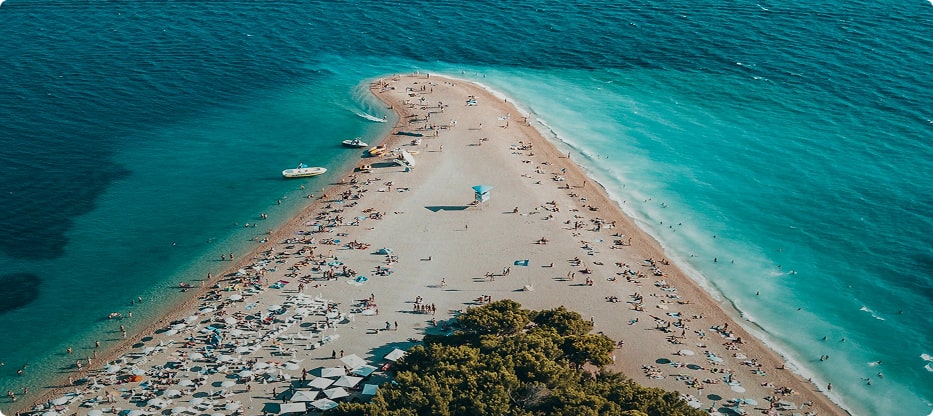
The Short Answer: Yes, Croatia Is Extremely Safe
If you’re short on time, here’s what you need to know: Croatia is one of the safest countries in Europe for solo female travelers.
The country ranks 14th on the 2025 Global Peace Index, ahead of Germany, the UK, and France. Violent crime against tourists is virtually non-existent. Street harassment is rare compared to other Mediterranean destinations. And unlike some Southern European countries, locals tend to be reserved rather than overly forward.
Women routinely walk alone at night in cities like Split, Dubrovnik, and Rovinj without concern. English is widely spoken (especially among younger Croatians), public transportation is reliable, and the tourism infrastructure is well-developed.
But don’t just take our word for it. At Solo Yet Together, we’ve hosted hundreds of women traveling solo in Croatia. The feedback is consistent: they feel safer here than in most places they’ve visited.
That said, no destination is perfect. This guide will give you the complete picture, the good, the rare concerns, and practical tips to ensure your trip goes smoothly.
Croatia Safety Statistics You Should Know
Numbers don’t lie. Here’s how Croatia stacks up against other popular solo female travel destinations:
Global Peace Index 2025: Croatia ranks #14 out of 163 countries. For comparison, the UK ranks #34, France #56, and the United States #131.
Violent Crime Rate: Croatia has one of the lowest violent crime rates in Europe at 1.2 per 100,000 people. Italy sits at 2.9, Spain at 2.6, and Greece at 2.3.
Tourist-Targeted Crime: According to Croatian police statistics, crimes against tourists account for less than 0.3% of all reported incidents, and the vast majority are petty theft rather than violent crime.
Solo Female Traveler Feedback: In our internal surveys, 97% of women who traveled with SYT reported feeling “safe” or “very safe” throughout their entire Croatia trip.

The data confirms what solo female travelers have been saying for years: Croatia is genuinely one of the safest places in Europe to travel alone as a woman.
What Solo Female Travelers Say About Croatia
Statistics are helpful, but real experiences matter more. Here’s what women who’ve traveled solo in Croatia have to say:
Sarah, 34, United Kingdom: “I’ve traveled solo to 23 countries, and Croatia is in my top three for safety. I walked home alone at 2am in Split after a night out and felt completely fine. The streets were well-lit, there were other people around, and not a single person bothered me. It felt safer than walking in central London.”
Michelle, 52, United States: “As an older solo traveler, I was a bit nervous about my first trip alone. Croatia exceeded every expectation. People were helpful without being intrusive. When I got lost in Dubrovnik, a local woman walked me all the way to my apartment. That would never happen in most big cities.”
Emma, 28, Australia: “I spent three weeks traveling down the coast from Istria to Dubrovnik. Buses, ferries, Airbnbs, restaurants alone, all of it. Not once did I feel uncomfortable or unsafe. The only ‘harassment’ I experienced was a waiter trying to get me to order more wine, and honestly, I appreciated the recommendation.”
Priya, 41, Canada: “What surprised me most was the nightlife. I expected the usual Mediterranean machismo, but Croatian men were actually quite respectful. I went out dancing in Hvar and Zagreb, and while people were friendly, no one was pushy or made me feel uncomfortable.”
These experiences reflect what we hear consistently from women who visit Croatia. The combination of low crime, respectful culture, and tourist-friendly infrastructure makes it an ideal destination for solo female travel.
Safety By City: Where to Go and What to Expect
Croatia isn’t monolithic. Each destination has its own character and safety considerations. Here’s a detailed breakdown of the most popular cities and regions for solo female travelers.
Split
Safety Rating: 9/10
Split is Croatia’s second-largest city and the gateway to the Dalmatian islands. It’s lively, walkable, and popular with solo travelers of all types.
During the day: Extremely safe. The Diocletian’s Palace area and Riva promenade are bustling with tourists and locals. You can wander freely without concern.
At night: Still very safe. The old town stays busy until late, especially in summer. The area around Bacvice beach has more nightlife activity, so standard awareness applies after midnight.
Best areas to stay: Bacvice (near the beach, lively), Meje (quieter, residential), Veli Varoš (charming old neighborhood, very safe).
Areas to be mindful of: The bus station area late at night can feel a bit empty. If arriving late, take an Uber directly to your accommodation.
Solo traveler tip: Split is excellent for meeting other travelers. The hostel scene is strong, and many restaurants have bar seating perfect for solo diners.
Dubrovnik
Safety Rating: 9.5/10
Dubrovnik is arguably Croatia’s safest major destination. The Old Town is heavily monitored, well-lit, and extremely tourist-friendly.
During the day: Completely safe, though very crowded in peak season. Your main concern will be navigating cruise ship crowds, not safety.
At night: The Old Town empties out after cruise ships leave, but it remains safe and beautifully lit. Walking the walls at sunset or having dinner alone feels magical, not scary.
Best areas to stay: Old Town (most convenient but pricey), Ploče (just outside the walls, quieter), Lapad (beach area, more affordable, still very safe).
Areas to be mindful of: None within typical tourist zones. The neighborhoods outside the tourist areas are residential and equally safe.
Solo traveler tip: Dubrovnik can feel expensive and touristy. Visit in May, early June, or September for fewer crowds and a more authentic experience.
Zagreb
Safety Rating: 8.5/10
Croatia’s capital has a different vibe from the coast. It’s more urban, more local, and less touristy, but still very safe.
During the day: Completely safe. The Upper Town and Lower Town are compact, walkable, and easy to navigate.
At night: Safe in central areas. Tkalčićeva Street (the main bar street) stays lively until late. The area around the main train station can feel a bit rough after dark, so stick to central neighborhoods.
Best areas to stay: Lower Town (Donji Grad, central and convenient), Upper Town (Gornji Grad, charming and quiet), Kaptol (historic, near the cathedral).
Areas to be mindful of: Neighborhoods far from the center have less tourist infrastructure. Not dangerous, but less comfortable for solo travelers who don’t speak Croatian.
Solo traveler tip: Zagreb has excellent coffee culture. Sitting alone in a café for hours is completely normal and a great way to people-watch and relax.
Zadar
Safety Rating: 9.5/10
Zadar is one of Croatia’s most underrated destinations for solo female travelers. It’s small, calm, and incredibly easy to navigate.
During the day: Extremely safe. The old town peninsula is compact and pedestrian-friendly.
At night: Very safe. The Sea Organ and Sun Salutation areas stay busy until late with families and couples enjoying the sunset. The atmosphere is relaxed rather than party-focused.
Best areas to stay: Poluotok (the old town peninsula, walkable to everything).
Areas to be mindful of: None. Zadar is one of the most uniformly safe cities in Croatia.
Solo traveler tip: Zadar is perfect for solo travelers who want peace and beauty without the crowds of Dubrovnik or the party scene of Split. The sunsets here are legendary.
Rovinj and Istria
Safety Rating: 10/10
If we had to recommend one region for first-time solo female travelers, it would be Istria. This peninsula in northern Croatia feels more Italian than Balkan, with excellent food, wine, and an incredibly safe atmosphere.
During the day: Completely safe. Rovinj’s old town is a maze of cobblestone streets, art galleries, and cafés. Getting lost is part of the charm.
At night: Extremely safe. Rovinj is quiet at night, not because it’s deserted, but because the vibe is relaxed rather than rowdy. You’ll see couples and families strolling, not drunk tourists.
Best areas to stay: Rovinj Old Town (most charming), Monte Mulini (upscale, peaceful), Poreč (more affordable alternative).
Other Istrian highlights: Motovun (hilltop truffle town), Grožnjan (artist village), Pula (Roman ruins), the entire coastline.
Solo traveler tip: Istria is perfect for renting a car and exploring at your own pace. The roads are good, distances are short, and you’ll discover hidden beaches and villages that most tourists never see.
Hvar
Safety Rating: 8/10
Hvar has a reputation as Croatia’s party island, and that’s partially deserved. It’s still very safe, but requires more awareness than quieter destinations.
During the day: Completely safe. The town is beautiful, with lavender fields, beaches, and a stunning fortress.
At night: Safe but lively. Hvar attracts a younger, party-focused crowd in summer. The usual nightlife rules apply: watch your drink, stay aware of your surroundings, and use Uber or taxi to get home.
Best areas to stay: Above the Old Town (quieter, with views), Križna Luka area (slightly removed from the main bars).
Areas to be mindful of: The main square and waterfront bars get rowdy after midnight in peak season. Not dangerous, but potentially annoying if you’re not in a party mood.
Solo traveler tip: Visit Hvar in June or September to enjoy the beauty without the peak-season party atmosphere. Or stay in quieter Stari Grad instead of Hvar Town.
Transportation Safety in Croatia
Buses
Croatia’s bus network is excellent. FlixBus and local carriers connect all major cities and many smaller towns.
Safety level: Very safe. Buses are clean, punctual, and well-maintained. Luggage goes in the hold, so keep valuables with you.
Night buses: Generally safe, but less comfortable than daytime travel. If possible, travel during the day to enjoy the scenery and arrive at your destination in daylight.
Booking tip: Use FlixBus app or Bookaway for advance tickets. For local routes, you can often buy tickets at the station or directly from the driver.
Ferries
Ferries connect the mainland to Croatia’s many islands. Jadrolinija is the main operator, with fast catamarans and slower car ferries.
Safety level: Very safe. Croatian ferries have excellent safety records and operate to European standards.
Solo traveler tips: On longer crossings, find a seat inside rather than standing on deck the whole time. Bring snacks and water, though most ferries have basic cafés. For overnight ferries (rare but available), book a cabin rather than sleeping in public areas.
Uber and Bolt
Ride-sharing apps work well in Croatian cities and are the safest option for late-night transportation.
Availability: Uber works in Zagreb, Split, Dubrovnik, and Rijeka. Bolt is available in most cities and often cheaper.
Safety level: Excellent. You have the driver’s name, photo, and license plate before getting in. Your route is tracked. Payment is automatic.
Cost: Very affordable by European standards. A 15-minute ride rarely costs more than €8-10.
Solo traveler tip: Always use Uber or Bolt late at night rather than hailing a taxi on the street, especially at ferry ports where unlicensed drivers sometimes operate.
Taxis
Traditional taxis are safe in Croatia but can be more expensive than ride-sharing apps.
Safety level: Safe if using official taxis from established companies. Look for marked vehicles with meters.
Where to be careful: At airports, bus stations, and ferry ports, unofficial drivers sometimes approach tourists. They’re not dangerous, but may overcharge significantly.
Tip: If you must use a taxi, agree on a price before getting in, or insist on the meter.
Renting a Car
Driving in Croatia is safe and opens up many possibilities, especially in Istria and along the coast.
Safety level: Very safe. Roads are well-maintained, drivers are generally respectful, and signage is clear.
Best for: Istria exploration, reaching hidden beaches, visiting national parks on your own schedule.
Less necessary for: Dubrovnik (limited parking, walkable), island-hopping (ferries are easier).
Tips: Book in advance in summer. Get full insurance. Download offline Google Maps. Park only in designated areas to avoid fines.
Nightlife Safety for Solo Women
Croatian nightlife is generally safe and enjoyable, even for women traveling alone. Here’s what to expect and how to stay comfortable.
Overall atmosphere: Croatian nightlife is more relaxed than intense. People drink, but extreme drunkenness is less common than in UK or US party destinations. The vibe is social rather than aggressive.
Dress code: Croatians dress well for going out, but there’s no strict dress code for most venues. Wear what makes you feel comfortable and confident.
Drink safety: Drink spiking is rare in Croatia, but it’s still wise to keep your drink in sight and never accept beverages from strangers.
Best cities for solo nightlife:
Split: The most active nightlife scene. Bacvice area has beach bars and clubs. The old town has cocktail bars and live music. Atmosphere is fun without being overwhelming.
Zagreb: More varied options, from jazz clubs to techno venues. Tkalčićeva Street is the main bar area. Locals go out late (after 11pm) and stay out until early morning.
Hvar: The party island. Carpe Diem beach club is famous. Fun but can get messy in peak season. Better visited in shoulder season or with friends.
Getting home safely:
Always have a plan for getting back to your accommodation. Download Uber and Bolt before going out. Keep your phone charged. If you’re staying in the old town of a smaller city like Rovinj or Zadar, you can likely walk home safely.
Meeting people:
Croatian bars and cafés are good places to meet other travelers and locals. Croatians can seem reserved at first but warm up quickly over a drink. If someone is too pushy or makes you uncomfortable, a firm “no” is usually respected.
Common Scams and How to Avoid Them
Croatia has very few scams compared to other tourist destinations, but a few situations warrant awareness.
Taxi Overcharging
Where: Ferry ports, airports, bus stations.
What happens: Unofficial drivers approach tourists and quote flat rates that are 2-3x the normal price.
How to avoid: Use Uber or Bolt. If using a taxi, choose marked vehicles and insist on the meter.
Restaurant Tourist Menus
Where: Dubrovnik Old Town, Split waterfront.
What happens: Some restaurants have different prices for tourists than locals, or add unexpected charges for bread, service, etc.
How to avoid: Check prices before ordering. Look at reviews on Google Maps. Eat where locals eat (slightly away from the main tourist streets).
ATM Fees
Where: Throughout Croatia.
What happens: Some ATMs offer “dynamic currency conversion” which gives you a terrible exchange rate.
How to avoid: Always choose to be charged in Croatian Kuna (HRK) or now Euros (Croatia adopted the Euro in 2023), not your home currency. Use ATMs attached to banks rather than standalone machines.
Pickpocketing
Where: Dubrovnik Old Town during cruise ship hours, Split Riva during peak season.
What happens: Standard pickpocketing in crowded areas.
How to avoid: Use a crossbody bag. Keep valuables in front pockets. Don’t leave bags unattended. Be especially aware in crowds.
Important note: These scams are rare and minor compared to many tourist destinations. Most travelers experience none of them. Croatia is not a place where you need to be constantly on guard.
Health and Emergency Information
Croatia has excellent healthcare infrastructure and high standards of medical care.
Emergency number: 112 (works for police, ambulance, and fire throughout Europe).
Healthcare quality: Croatian hospitals and clinics provide high-quality care. In tourist areas, many doctors speak English.
Pharmacies: Look for “Ljekarna” signs. Pharmacies are common in cities and can provide many medications without prescription. Staff often speak English.
For EU/UK travelers: Carry your EHIC (European Health Insurance Card) or UK GHIC card for reduced-cost or free medical treatment at public facilities.
Travel insurance: Always recommended. Even with EHIC/GHIC, travel insurance covers repatriation, lost luggage, trip cancellation, and private medical care.
Tap water: Safe to drink throughout Croatia. Bring a refillable bottle.
Sun safety: Croatia gets very hot in summer (35°C+ is common). Bring sunscreen, wear a hat, and stay hydrated. Sunstroke is more likely to ruin your trip than any crime.
COVID-19: As of 2026, Croatia has no COVID-related entry requirements. Check current guidelines before travel.
Cultural Tips That Keep You Safe
Understanding Croatian culture helps you navigate social situations with confidence.
Croatians are reserved: Don’t mistake quietness for unfriendliness. Croatians take time to warm up to strangers. Once they do, they’re incredibly generous and hospitable.
Personal space is respected: Unlike some Mediterranean countries, Croatian men generally don’t catcall or harass women on the street. If someone does bother you, a firm response usually ends the interaction immediately.
Dress is relaxed but stylish: Croatians dress well but casually. You won’t be judged for wearing shorts and sandals, but you’ll blend in better with a bit more polish. For churches, cover shoulders and knees.
Coffee culture: Coffee (kava) is a social institution in Croatia. Sitting alone in a café is completely normal and a great way to observe local life. Don’t rush. No one will pressure you to leave.
Learn basic Croatian: A few words go a long way. “Hvala” (thank you), “Molim” (please/you’re welcome), and “Dobar dan” (good day) will earn you smiles and goodwill.
Tipping: Not expected but appreciated. Round up the bill or add 10% for good service
Best Time to Visit Croatia as a Solo Female Traveler
Timing your visit can significantly impact your experience.
May and June: Ideal for solo travelers. Weather is warm but not oppressive (22-28°C). Crowds are manageable. Prices are reasonable. All attractions and transportation are operational.
July and August: Peak season. Hot (30-35°C+), crowded, and expensive. Great if you want beach parties and nightlife. Less ideal if you prefer peaceful exploration.
September: Our top recommendation. Weather is still warm (24-28°C). Crowds thin out significantly. Prices drop. Sea is warm from summer. Locals are more relaxed after the busy season.
October: Hit or miss. Early October can be beautiful. Later in the month, some island services shut down. Good for cities, less reliable for beach holidays.
November to April: Off-season. Many coastal businesses close. Zagreb and larger cities remain active. Great for budget travelers and those who don’t need beach weather.
For solo female travelers specifically: Shoulder seasons (May-June, September) offer the best balance of safety, weather, social atmosphere, and value.
Croatia vs Other Destinations: How Does It Compare?
If you’re deciding between Croatia and other Mediterranean destinations, here’s an honest comparison.
Croatia vs Italy
Safety: Croatia is safer overall. Less street harassment, lower crime rates.
Solo travel ease: Similar. Both have good infrastructure. Italy has more tourist crowds.
Cost: Croatia is more affordable, especially for food and accommodation.
Language: English is spoken more widely in Croatia than rural Italy.
Verdict: Croatia wins for first-time solo travelers. Italy wins for art, history, and food variety.
Croatia vs Greece
Safety: Croatia is slightly safer. Greece is still very safe.
Solo travel ease: Similar. Both are excellent for solo travelers.
Cost: Similar, though Greek islands can be cheaper for budget travelers.
Vibe: Croatia is more “polished,” Greece is more “relaxed chaos.”
Verdict: Croatia for those who like organization. Greece for those who enjoy spontaneity.
Croatia vs Spain
Safety: Croatia is safer. Barcelona and Madrid have more petty crime.
Solo travel ease: Spain has better nightlife scene and more hostels. Croatia is easier to navigate.
Cost: Similar overall.
Harassment: Croatia has significantly less street harassment.
Verdict: Croatia for peaceful exploration. Spain for vibrant city life and nightlife.
Croatia vs Portugal
Safety: Similar. Both are very safe.
Solo travel ease: Both excellent.
Cost: Portugal is slightly cheaper.
Vibe: Portugal is more surf-and-chill, Croatia is more coast-and-culture.
Verdict: Tie. Both are excellent for solo female travelers.
What to Pack for Safety and Comfort
You don’t need special safety equipment for Croatia. Just pack smart.
Practical items:
A crossbody bag or anti-theft backpack for cities.
Portable phone charger (essential for navigation and Uber).
Universal power adapter (Croatia uses European Type C/F plugs).
Refillable water bottle.
Comfortable walking shoes (cobblestones are everywhere).
Documents:
Passport (non-EU travelers) or ID card (EU travelers).
Travel insurance details saved on your phone and printed.
Copies of important documents stored separately from originals.
Offline maps downloaded in Google Maps or Maps.me.
Optional safety items:
Door stop alarm (for extra peace of mind in accommodation).
Personal alarm or whistle (rarely needed but lightweight).
Small flashlight (helpful for unlit streets or power outages).
Frequently Asked Questions
Is Croatia safe for solo female travelers?
Yes. Croatia ranks as the 14th safest country in the world and has one of the lowest crime rates in Europe. Women routinely travel alone without incident, and most report feeling safer in Croatia than in other Mediterranean destinations.
Can I walk alone at night in Croatia?
In most areas, yes. City centers in Split, Dubrovnik, Zadar, Rovinj, and Zagreb are safe and often busy until late. Use common sense in less-traveled areas, and use Uber or Bolt late at night for extra convenience and safety.
Is Uber safe in Croatia?
Yes. Uber operates in Zagreb, Split, Dubrovnik, and Rijeka. Bolt is also available in most cities. Both are safer than street taxis because you have driver information and tracked routes.
What is the safest city in Croatia for solo women?
Rovinj is often considered the safest, followed closely by Zadar and Dubrovnik. All major tourist destinations in Croatia are safe.
Is Croatia safer than Italy for solo female travel?
Generally yes. Croatia has lower crime rates and less street harassment than Italy. Both are safe destinations, but Croatia consistently ranks higher in solo female traveler satisfaction surveys.
Do I need to speak Croatian to travel safely?
No. English is widely spoken in tourist areas, especially by younger Croatians. Learning a few basic phrases is appreciated but not necessary for safety.
Are Croatian men respectful to female tourists?
Yes. Croatian culture is generally reserved, and harassment is uncommon. If someone does behave inappropriately, a clear “no” is usually respected. Aggressive or persistent harassment is rare.
Is it safe to use dating apps in Croatia?
Yes, with standard precautions. Meet in public places, tell someone where you’re going, and trust your instincts. Croatian users on apps like Tinder and Bumble are generally looking for genuine connections rather than scams.
What should I do if I feel unsafe in Croatia?
Trust your instincts and remove yourself from the situation. In an emergency, call 112. For non-emergencies, tourist police in major cities can assist. Your accommodation host can also be a helpful resource.
Is Croatia safe for solo female travelers over 50?
Absolutely. Croatia is popular with solo travelers of all ages. The pace is relaxed, infrastructure is accessible, and locals are respectful and helpful to older travelers. Many of our SYT guests are women in their 40s, 50s, and beyond.
Croatia is widely regarded as a safe and comfortable destination for solo female travelers. Violent crime is extremely rare, and locals tend to be protective and helpful toward tourists.
Final Verdict: Should You Visit Croatia Solo?
After all the statistics, tips, and details, here’s the simple truth: Croatia is one of the best destinations in the world for solo female travelers.
The combination of safety, natural beauty, rich culture, and welcoming locals makes it ideal for first-time solo travelers and experienced adventurers alike. Whether you’re walking the ancient walls of Dubrovnik, watching the sunset over Zadar’s Sea Organ, exploring Istrian hilltop villages, or swimming in the Adriatic’s crystal-clear waters, you’ll find Croatia to be a place where you can truly relax and enjoy yourself.
You don’t need to be constantly on guard. You don’t need special safety equipment. You just need normal travel awareness and a sense of adventure.